 Sunlit EarthMar 08, 20265 min read
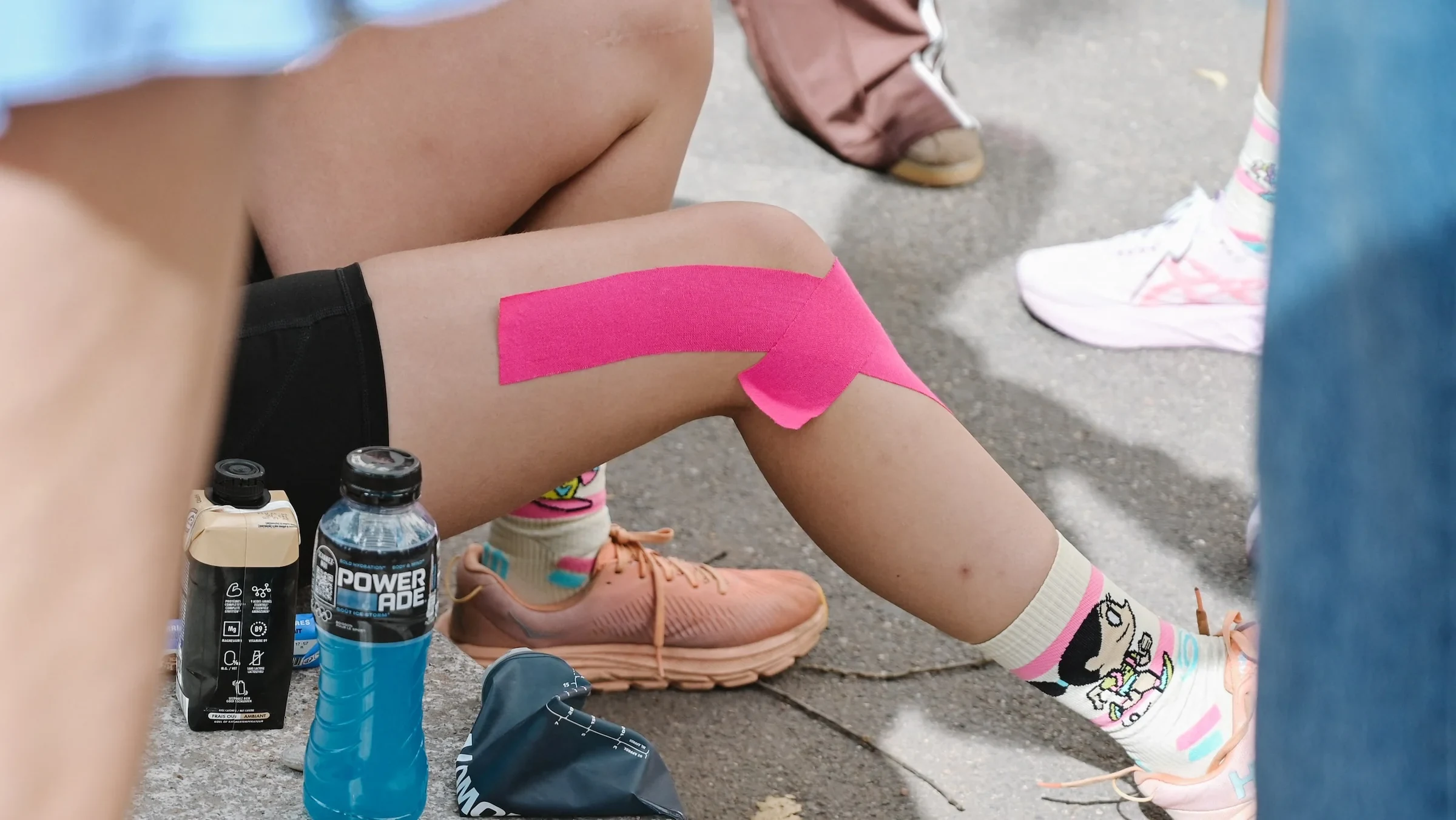
(Photo: Matthieu Delaty / Hans Lucas via AFP)
For many, running is more than just exercise: it’s asocial outlet, aform of meditation, or a way tochallenge yourself. But chronic knee pain can sideline you for longer than you’d like. The good—and maybe surprising—news is that running itself isn’t inherently bad for your knees. In fact,research has shownthat runners may have healthier knee cartilage than people who are sedentary. The trick is managing the impact.
To help you stay on the road and trails (and out of the doctor’s office), we lay out everything you need to know about avoiding knee pain when you run, so you can continue logging miles for years to come.
“In simple terms, your knees are usually innocent bystanders,” saysMohammad Saad, DPT,a physical therapist with the Hospital for Special Surgery based in New York City.
The knee sits between the hip and the foot, he explains. If either of those body parts isn’t doing its job well, due to a lack ofstrength or mobility,poor mechanics, or not tolerating the load you’re putting on them, your knees absorb extra stress.
According to Saad, most running knee pain happens because of one (or a combo) of a few things:
• You increased mileage or intensity too quickly (stick to upping your mileage by no more than 10 percent each week). • Your tissues weren’t strong enough for the load. • Yourrecovery (sleep, fueling) wasn’t great. • You changed terrain, shoes, or surface suddenly.
“We’re all humans with imperfect mechanics,” Saad says. “It’s usually not ‘bad knees’—it’s a load management problem.”
The 3 Most Common Types of Knee Pain in Runners and How to Fix Them
There are a number of conditions that cause knee pain, but here are a few that affect runners often.
The most common type of knee pain is patellofemoral syndrome (PFS), also known as “runner’s knee,” according toTom Holland, MS, CSCS, exercise physiologist and adjunct professor of biomechanics at theUniversity of Bridgeport. PFS presents as a dull ache around or behind your kneecap.
In addition to feeling this type of knee pain while running, other signs of PFS include experiencing it when climbing stairs or squatting, Holland says.
PFS usually happens because the kneecap isn’t tolerating load well and is usually due to weak hips, a sudden jump in mileage, excessive downhill running, and lots of sitting followed by hard running, Saad adds.
Common ways to treat PFS—and prevent it from coming back—include rest, cross-training (likecyclingor swimming), and building balanced lower-body strength, according to Holland. For strength training, Saad’s go-to exercises includesplit squats,Romanian deadlifts,step-ups, andlateral band walks, and he recommends doing them at least two times per week.
Another remedy, according to Holland: occasionally alter the incline and speed when running on a treadmill.
2. Iliotibial Band Syndrome
Iliotibial (IT) band syndrome is characterized by a gradual pain on the outside of your knee, according to Saad.
It’s usually caused by muscle weaknesses or imbalances, overuse, frequent running on slanted surfaces, running too long on unchanging terrain like a treadmill, and improper running mechanics, Holland adds.
Treating and preventing IT band syndrome is the same as PFS: rest, cross-training, and building lower-body strength.
Patellar tendinopathy is a common form of knee pain in people of all ages, especially teens, and it’s usually felt right below the kneecap, according to Saad. It can pop up when wearing track spikes more often, doinga lot of plyometrics, or a sudden increase in intensity, he says. This type of repeated stress on the patellar tendon results in small tears in the tendon, according to theMayo Clinic.
To treat and prevent patellar tendinopathy, it’s important topay attention to your running formand stretch andstrengthen your quad musclesso they can better handle stress on the patellar tendon.
If you experience knee pain when logging the majority of your miles on a treadmill, there are two major reasons for that, according to both Saad and Holland:
• The treadmill lacks variation in terrain:This constant, unchanging, repetitive loading of a treadmill can irritate tissue and lead to knee issues, Holland says. Plus, the lack of wind resistance and terrain variation can also cause you to subtly change posture, Saad adds.
• The treadmill can change your stride:The treadmill belt pulls your foot backward when you run, causing some runners to overstride, increasing contractions of the quadriceps and leading to patellofemoral stress, Holland explains. On the other hand, some runners unknowingly shorten their stride too much on the treadmill, according to Saad, which can also stress the knees.
To prevent knee pain while running on the treadmill, Saad suggests setting the incline to 1 percent to mimic running outside. You can also periodically change up the incline and speed so you’re not loading your knees the same exact way with every step, Holland adds.
Proper running form is important to keep in mind, too, according to Saad: Avoid staring down and keeping too much of an upright posture, he says.
While most overuse injuries improve with rest and muscle-strengthening exercises, you should see a doctor if you experience swelling or sharp pain that doesn’t improve after a week or two of significantly reduced or no running, according to Holland. Knee pain that significantly changes your running gait is also a red flag and warrants medical attention, he says.
Want moreOutsidehealth stories?Sign up for the Bodywork newsletter. If you’re ready to become a runner, joinThe Weekly 45 Challenge on MapMy. The goal is to log 45 minutes of running or run-walking each week in March. That’s it. Plus, you can earn badges along the way and even win some cool prizes.